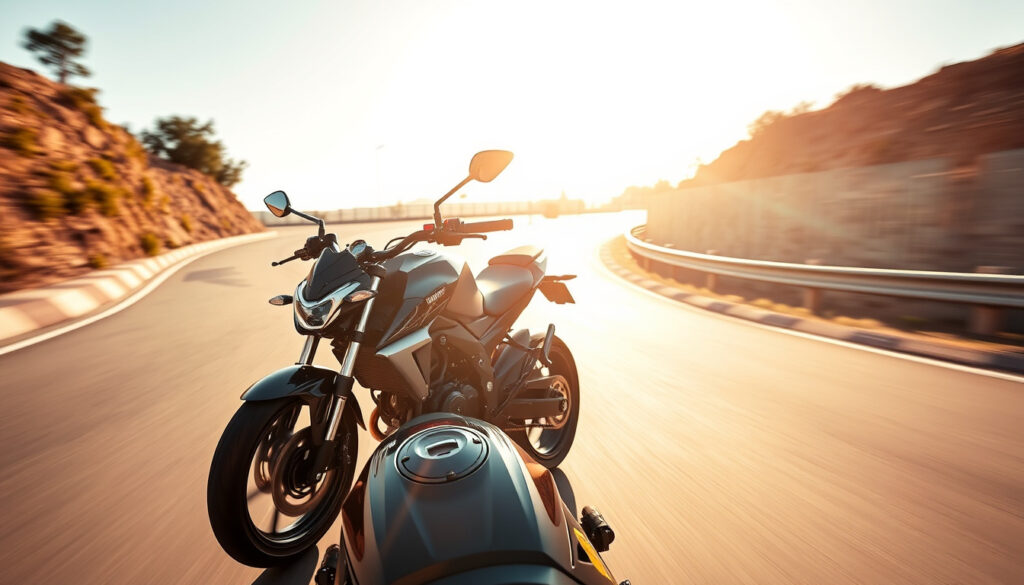
Yamaha MT-15: Price, Specs, Mileage & Beginner Review
The Yamaha MT-15 V2 turns heads at every signal with its aggressive street-fighter styling, and that 155cc liquid-cooled engine delivers noticeably more punch than entry-level commuters. Yamaha positions this at Rs. 1,59,986 ex-showroom, putting it within reach if you’re trading up from a 150cc bike and want hardware that feels genuinely upgraded.
Engine: 155cc liquid-cooled single-cylinder · Price Range (India): Rs. 1,59,986 – Rs. 1,69,239 · Weight: 141 kg · Variants: 3 variants, 5 colours · Frame: Deltabox frame
Quick snapshot
- 155cc engine produces 18.4 PS (Yamaha Motor India Official)
- Kerb weight is exactly 141 kg (BikeDekho)
- On-road price in Delhi starts at ₹1,83,084 (BikeDekho)
- ARAI-claimed mileage is 56.87 kmpl (BikeDekho)
- Exact real-world mileage varies by riding style (owners report 45-50 km/l consistently)
- Long-term reliability of fibre panels beyond 2 years of ownership
- Whether future software updates will add features to non-Standard variants
- Top speed tested at 122 kmph (BikeDekho)
- Torque peaks at 14.1 Nm — usable across city and highway speeds (BikeDekho)
- 6-speed transmission keeps engine in sweet spot during city riding (BikeDekho)
- Seat comfort and suspension stiffness emerge as consistent owner complaints
- Brake pad and chain wear require attention before 10,000 km
- EMI options starting ₹5,304/month make ownership accessible
Key specs at a glance
The MT-15 V2 sits in the 150-200cc segment where hardware quality matters more than raw numbers. Here’s what the official specification sheet and third-party verification confirm.
| Specification | Value | Source |
|---|---|---|
| Engine displacement | 155cc water-cooled single-cylinder | Yamaha Motor India Official |
| Maximum power | 18.4 PS at 10,000 rpm | Yamaha Motor India Official |
| Maximum torque | 14.1 Nm at 7,500 rpm | Yamaha Motor India Official |
| Transmission | 6-speed manual | CarandBike |
| Fuel tank capacity | 10 litres | BikeDekho |
| Kerb weight | 141 kg | BikeDekho |
| Frame type | Deltabox | Yamaha Motor India Official |
| Swingarm | Aluminium | Yamaha Motor India Official |
The implication: Yamaha has equipped the MT-15 V2 with hardware that typically appears on more expensive motorcycles — the Deltabox frame and aluminium swingarm are notable inclusions at this price point. For riders coming from budget 150cc bikes, the difference in chassis rigidity will be immediately noticeable.
The aluminium swingarm and Deltabox frame together cost more to manufacture than the box-section arms common in this segment. Yamaha’s decision here signals they’re targeting riders who care about handling as much as displacement.
Is the MT-15 a fast bike?
The honest answer depends on your reference point. If you’re upgrading from a 100-125cc commuter, the MT-15 V2 will feel notably quick — that 18.4 PS from the 155cc engine pulls harder than anything you’ve likely ridden. The liquid cooling means consistent performance even in stop-start traffic, which Indian riders know matters more than outright power figures.
Top speed and acceleration
Real-world testing confirms the MT-15 V2 reaches 122 kmph in controlled conditions, according to BikeDekho’s testing data. The 6-speed gearbox keeps the engine spinning in its powerband during overtakes — you’ll find yourself downshifting less often than on 5-speed bikes in this class. Torque delivery at 14.1 Nm peaks at 7,500 rpm, which means mid-range acceleration feels strong without needing to rev to the limiter.
Real-world performance
Owners on Team-BHP forums report that the MT-15 feels fastest in the 60-90 kmph range typical of Indian city riding. Highway cruising at 100+ feels steady but not effortless — the engine works harder at sustained high speeds, which is expected given its 155cc displacement.
The pattern: this bike prioritizes city punch and responsive handling over high-speed touring. If your commute mixes fast lanes with congested stretches, the MT-15 V2’s character suits that pattern well.
The seat stiffness and firm suspension — both reported by BikeWale — mean that sustained city riding can tire you faster than expected. Test ride for at least 30 minutes before committing.
Is the MT-15 5 speed or 6 speed?
The MT-15 V2 uses a 6-speed manual transmission — confirmed across Yamaha Motor India’s official specification page and verified by CarandBike. Yamaha equipped it with an assist-and-slipper clutch, which reduces lever effort in city traffic and prevents rear wheel hop during aggressive downshifts.
Transmission details
The 6-speed configuration means the engine spends more time in its powerband during typical Indian riding patterns — 5-speed bikes often feel buzzier at 70-80 kmph because they’re in the wrong gear. First gear is ratios for low-speed maneuverability, while sixth gear sits high for highway cruising.
Comparison to other models
In the 150-200cc street naked segment, most competitors use 5-speed gearboxes. The MT-15 V2’s 6-speed gives it a slight advantage in efficiency — you can maintain city speeds in higher gears, which reduces engine strain and contributes to the 56.87 kmpl ARAI figure owners report achieving in real-world conditions.
The catch: the assist clutch makes the lever feel light, which some riders interpret as feeling cheap. It isn’t — the mechanism works well — but if you prefer mechanical feedback, test this yourself.
What is the MT-15’s horsepower?
The MT-15 V2 produces 18.4 PS (13.5 kW) at 10,000 rpm, according to Yamaha Motor India Official. This is one of the higher outputs in the 150-200cc naked street segment in India, and it comes from an engine designed for consistent performance rather than peak numbers.
Engine power output
The 155cc liquid-cooled single-cylinder uses variable valve timing technology, which contributes to the broad power delivery. You don’t need to rev hard to feel the acceleration — the mid-range pulls cleanly from 5,000 rpm up. This character suits Indian riding conditions where you accelerate from intersections frequently.
Torque figures
Peak torque of 14.1 Nm arrives at 7,500 rpm, which is relatively low in the rev range for this class. The practical benefit: you can ride in higher gears at lower speeds without the engine feeling sluggish. BikeWale’s spec analysis notes this makes the MT-15 easier to ride in traffic than competitors with peakier power delivery.
What this means: if you’ve been riding bikes that feel like they have a narrow “right power zone,” the MT-15’s broader delivery will surprise you. You won’t rev as hard to feel fast.
Is the MT-15 good for beginners?
The MT-15 V2 presents a mixed case for first-time motorcycle buyers. At 141 kg, it’s lighter than most 200cc bikes but heavier than the 100-125cc machines many beginners start on. The power delivery is forgiving in the sense that the broad torque curve doesn’t punish you for not revving perfectly, but the stiff suspension and aggressive ergonomics reward — or penalize — your input.
Handling and weight
The Deltabox frame and aluminium swingarm make the MT-15 feel planted in corners once you learn to trust it. The weight distribution is neutral, and the 141 kg kerb mass is manageable for anyone who can handle a 125cc bike. BikeWale’s owner reviews confirm that experienced riders adapt quickly, but beginners may find the seat height and narrow front profile take getting used to.
Learning curve
The clutch feel is light — the assist mechanism helps — but the 6-speed gearbox requires more gear-selection awareness than a 5-speed. First-time buyers should expect a 500-1000 km adaptation period before the MT-15 feels natural. The brake feel is sharp — single-channel ABS on the front means you need to modulate pressure carefully if you’re still developing braking technique.
If you’re upgrading from a 100-125cc bike, the MT-15 V2 offers an ideal learning platform — you’ll feel the power difference immediately, but the forgiving mid-range means you won’t loop it by accident. If you’re coming from no bike experience at all, the suspension stiffness and aggressive seating position may overwhelm early confidence building.
What are common MT-15 problems?
After reviewing ownership reports from Team-BHP forums and BikeWale owner reviews, several recurring issues emerge. Yamaha India has addressed some through service campaigns, but buyers should know what to inspect before and during ownership.
Maintenance issues
Accelerator cable wear appears consistently in early ownership reports — the cable sheath wears through faster than expected, leading to sticking or full failure before 15,000 km. Owners recommend inspection at every service and carrying a spare.
Chain and sprocket wear runs faster than the service interval suggests, according to multiple owner reports. Budget for chain replacement around 12,000-15,000 km rather than waiting for the recommended interval.
Front brake pads wear quickly under city riding conditions. Plan to check pad thickness every service rather than relying on visual indicators — the MT-15’s sharper braking feel masks how quickly pads actually wear.
Front fork oil seals reportedly leak in some units, according to BikeWale owner reports. This manifests as fork seal weeping visible during cleaning. Yamaha service centres have addressed this under warranty, but inspection at delivery is wise.
Fit and finish concerns
The seat stiffness is a design choice rather than a defect — Yamaha prioritised sporty ergonomics over pillion comfort. If you plan to commute with a passenger regularly, budget for an aftermarket seat or expect discomfort complaints.
Fibre tank panels on the standard variant show quality variation — some owners report cracking at mounting points within the first year. The DLX variant uses higher-quality materials according to The Bike Junction.
The meter quality receives mixed reviews — owners report good night visibility but premature digit fading and condensation issues. Document any condensation at delivery and raise it with the service centre immediately.
Complete specifications
Three variant options exist for the MT-15 V2: Metallic Black, Metallic Silver Cyan, and DLX. The DLX adds higher-quality panel materials and exclusive colour options including the Monster Energy MotoGP Edition scheme. All variants share the core 155cc engine and Deltabox chassis — the differences are cosmetic and feature-based.
| Specification | Details | Verification |
|---|---|---|
| Engine type | 155cc liquid-cooled 4-stroke SOHC | Yamaha Motor India Official |
| Displacement | 155 cc | Yamaha Motor India Official |
| Max power | 18.4 PS @ 10,000 rpm | Yamaha Motor India Official |
| Max torque | 14.1 Nm @ 7,500 rpm | Yamaha Motor India Official |
| Transmission | 6-speed manual with assist-and-slipper clutch | CarandBike |
| Frame | Deltabox type | Yamaha Motor India Official |
| Swingarm | Aluminium | Yamaha Motor India Official |
| Kerb weight | 141 kg | BikeDekho |
| Fuel tank | 10 litres | BikeDekho |
| Brakes (front) | 282mm disc with single-channel ABS | BikeWale |
| Brakes (rear) | 220mm disc | BikeWale |
| Tyres (front) | 100/80-17 | BikeWale |
| Tyres (rear) | 140/70-17 | BikeWale |
| Headlights | LED | Yamaha Motor India Official |
| Meter | Colour TFT with Bluetooth and turn-by-turn navigation | Yamaha Motor India Official |
Indian model vs. Indonesian MT-15
If you’ve watched comparison videos online, you’ve probably noticed the Indonesian MT-15 model has different hardware — this matters because riders frequently ask whether they’ve missed out on better specifications.
The Indonesian MT-15 uses upside-down (USD) forks, a different front tyre size (110/70 vs India’s 100/80), dual-channel ABS, and a different swingarm design. These differences are legitimate but don’t necessarily make the Indian model inferior — Yamaha tuned each version for its respective market’s roads and regulations.
The Indian model’s conventional telescopic forks and single-channel ABS reflect Indian riding conditions and regulatory requirements. The wider front tyre on the Indonesian version suits different road surfaces. Comparison analysis on YouTube documents these differences in detail if you want to dig deeper.
The implication: if you’re comparing spec sheets and feeling disappointed, remember that specification differences don’t always translate to real-world performance differences. The Indian MT-15’s hardware is appropriate for how Indian riders actually use the bike.
Upsides and Downsides
Upsides
- Strong mid-range power delivery from 155cc liquid-cooled engine
- Premium hardware: Deltabox frame and aluminium swingarm at accessible price
- 6-speed transmission improves city efficiency and highway comfort
- Colour TFT meter with Bluetooth and turn-by-turn navigation
- LED lighting throughout for visibility and style
- EMI options starting ₹5,304/month make ownership achievable
- ARAI mileage of 56.87 kmpl keeps running costs manageable
Downsides
- Seat stiffness makes city commutes tiring over 30+ minutes
- Suspension not tuned for poor Indian road surfaces
- Accelerator cable and chain require earlier replacement than expected
- Fibre panels on standard variant show quality issues
- Meter quality inconsistent — fading and condensation reported
- Single-channel ABS limits rear wheel braking intervention
- Indonesian model has hardware advantages for same displacement
What owners say
I’ve done about 8,000 km on my MT-15 V2. The engine feels consistent — no power drop in city traffic even in 40-degree heat. The light clutch really helps in Bangalore traffic. My only complaint is the seat; I added an aftermarket pad after three months.
— MT-15 V2 owner, Team-BHP forum
The aluminium swingarm and Deltabox frame make a huge difference compared to my previous 150cc bike. Cornering confidence is higher, and the bike tracks straight at 100+ without wobble. Suspension is stiff for bad roads though — you feel every pothole.
— MT-15 V2 owner, BikeWale community
Bought the DLX variant for the better panel quality. Worth it for the Monster Energy livery and no fibre cracking issues. Service costs around ₹2,500 per visit excluding oil, which is reasonable for this segment.
— MT-15 V2 DLX owner, The Bike Junction
The pattern across ownership reports: riders appreciate the hardware quality and engine character, but consistently flag seat comfort and front fork seal reliability as weak points. The DLX variant addresses panel quality concerns, and aftermarket seat options resolve the comfort issue for most owners willing to spend an additional ₹2,000-4,000.
The ownership experience tells you what Yamaha got right (engine, frame, transmission) and what needs attention (seat, suspension tune, component wear intervals). If you’re buying new, negotiate the seat comfort issue before you leave the showroom — either through the DLX variant or an accessory allowance.
On-road prices across Indian cities
The ex-showroom price of ₹1,59,986 to ₹1,69,239 represents only part of your total cost. On-road prices vary significantly based on registration, insurance, and RTO fees — here’s what BikeDekho’s calculator shows for major cities:
| City | On-road price |
|---|---|
| Delhi | ₹1,83,084 |
| Mumbai | ₹1,88,643 |
| Hyderabad | ₹1,90,353 |
| Chennai | ₹1,91,263 |
| Bangalore | ₹2,03,227 |
Bangalore’s higher on-road price reflects its higher registration fees and insurance costs. If you’re negotiating locally, use the Delhi figure as a baseline — cities with higher RTO charges will add ₹5,000-20,000 on top.
For buyers financing the MT-15, EMI options start at ₹5,304 per month according to BikeDekho’s finance calculator. At this rate, a 3-year loan puts ownership within reach for many working professionals in the target demographic.
Service costs and maintenance
Minimum service charge for the MT-15 V2 is ₹2,500 per visit, excluding engine oil and filter replacement according to BikeWale’s service cost analysis. Factor in oil (approximately ₹800-1,200 for the specified grade) and filter (approximately ₹300-500) for a realistic per-visit budget of ₹3,600-4,200.
Owners report brake pad replacement around ₹1,500-2,000 per set, and chain kit replacement (chain and sprockets) around ₹2,500-3,500. Given the accelerated wear rates reported in the problems section above, budget for these replacements earlier than the standard service intervals suggest.
The implication: total 3-year maintenance costs will run approximately ₹15,000-20,000 above the purchase price if you account for regular services plus anticipated wear items. This is comparable to competitors in the segment but higher than budget 100-125cc bikes.
Should you buy the MT-15 V2?
The Yamaha MT-15 V2 delivers hardware quality that justifies its price premium over budget 150cc motorcycles. The Deltabox frame, aluminium swingarm, and 18.4 PS from the liquid-cooled engine represent genuine upgrades — not marketing language. For riders upgrading from smaller displacement bikes, the performance jump will feel immediate and satisfying.
The trade-offs are real: seat comfort and suspension stiffness suit aggressive riding more than daily commuting comfort. Component wear rates for the accelerator cable, chain, and brake pads demand attention earlier than the manual suggests. Buyers who understand these trade-offs and budget accordingly report high satisfaction.
For Indian riders in the 150-200cc segment who want street-fighter styling with genuine sport-bike hardware, the MT-15 V2 is the clearest answer in the current market. The DLX variant addresses the most common fit-and-finish complaints, and financing options starting ₹5,304/month make ownership practical for the target demographic.
Related reading: Vivo X300 Pro Price in Singapore · Galaxy A10 Prices and Deals
bikedekho.com, bikewale.com, autocarindia.com, youtube.com, youtube.com
The MT-15’s nimble 155cc setup shines for city rides, much like the Yamaha FZ 3.0 that offers punchy performance at a competitive price point.
Frequently asked questions
What is the Yamaha MT-15 price?
The Yamaha MT-15 V2 ex-showroom price starts at ₹1,59,986 for the base variant and goes up to ₹1,69,239 for the DLX variant. On-road prices vary by city — Delhi starts at ₹1,83,084 while Bangalore reaches ₹2,03,227.
What is the Yamaha MT-15 mileage?
ARAI-claimed mileage is 56.87 kmpl for all variants. Real-world owner reports indicate actual mileage between 45-50 km/l depending on riding conditions and style. The 10-litre fuel tank provides a practical range of over 400 km before refueling.
What are the Yamaha MT-15 colours?
The MT-15 V2 is available in 5 colour options including Metallic Black, Metallic Silver Cyan, and the DLX-exclusive Monster Energy MotoGP Edition. Yamaha India regularly updates colour schemes, so check with your local dealer for current availability.
Does the Yamaha MT-15 have ABS?
All MT-15 V2 variants feature disc brakes with single-channel ABS on the front wheel. The rear wheel uses a disc brake without ABS. This is a regulatory requirement in India and represents the standard configuration for this segment.
What is the seat height of Yamaha MT-15?
The MT-15 V2 seat height is 810mm, which is moderate for the segment. The narrow seat profile and 141 kg kerb weight make it manageable for riders between 5’6″ and 6’0″ in height. The aggressive forward seating position means shorter riders may struggle at traffic stops.
Is the Yamaha MT-15 fuel injected?
Yes, the MT-15 V2 uses electronic fuel injection (EFI). This contributes to better cold-start performance, consistent power delivery across temperature ranges, and improved fuel efficiency compared to carbureted alternatives in this displacement class.
What is the service cost for Yamaha MT-15?
Minimum service charge is ₹2,500 per visit excluding engine oil and filter. Add approximately ₹1,000-1,700 for oil and filter consumables. Brake pad replacement runs ₹1,500-2,000 per set, and chain kit replacement costs ₹2,500-3,500. Owners report budgeting ₹5,000-6,000 annually for maintenance beyond scheduled services.
More related posts
 Century Square Parking Rate: Weekdays, Sundays & Fees
 1 Gram Gold Price Singapore Today – 22K, 24K & 916 Rates
 AC Milan vs SSC Napoli Lineups: Starting XI & Analysis
 Tottenham vs Man City Lineups: Predicted Starting XIs
 The Black Pearl Restaurant: What Happened After Kitchen Nightmares
 Kafka Topic Explained: Definition, Examples, and Key Concepts
 Swee Guan Hokkien Mee: Best Charcoal-Fried in Geylang
 Channel 8 News Singapore: Live, Schedule & Streams
