Singapore Indoor Stadium Seating Plan: Capacity & Best Seats
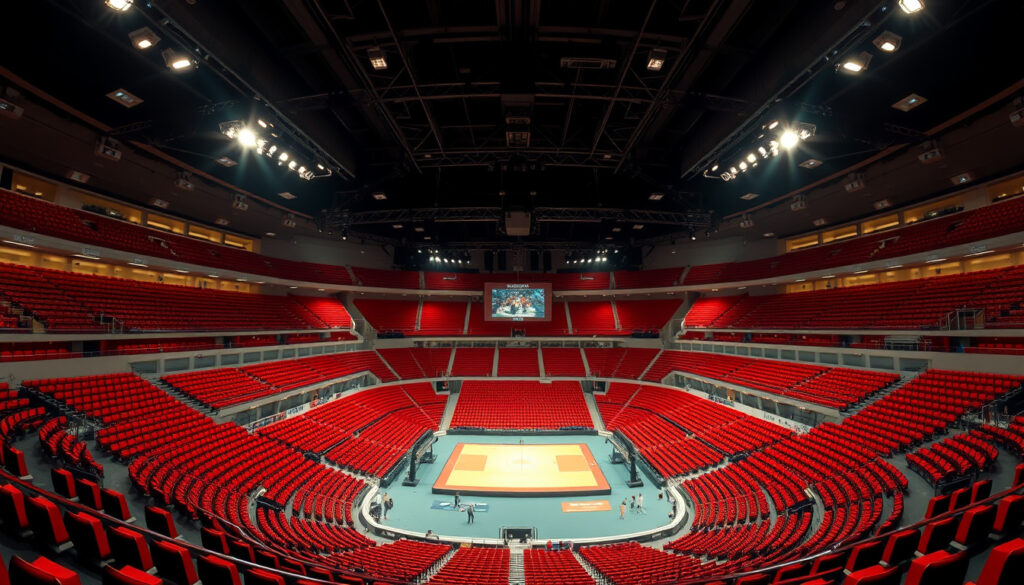
Anyone who has ever tried to pick a seat at a large venue knows the feeling: rows of numbers, section labels, and the uncertainty of whether you will actually see the stage. The Singapore Indoor Stadium, with its 12,000-seat configuration, is one of Southeast Asia’s most popular concert and sports arenas.
Total capacity (seated): 12,000 · Maximum capacity (standing): 15,000 · Year opened: 1989 · Air conditioning: Yes
Quick snapshot
- 12,000 seated capacity (Wikipedia)
- Fully air-conditioned (Klook)
- Opened in 1989 (Cvent venue directory)
- Exact seat numbering pattern within each section
- Official seating map PDF from the venue (not publicly linked)
- A new 18,000-capacity indoor arena is planned at Kallang (The Straits Times)
- 2 Stadium Walk, Singapore 397691 (Cvent)
- Part of Singapore Sports Hub, next to National Stadium (Concerts Remembered)
Six key specs, one pattern: the venue is designed for flexibility, with a fixed seated capacity that can expand for standing crowds.
| Spec | Value | Source |
|---|---|---|
| Opened | 1989 | Cvent |
| Seated capacity | 12,000 | Wikipedia / Austadiums |
| Max capacity | 15,000 | Wikipedia |
| Air conditioning | Yes | Klook |
How many seats are in Singapore Indoor Stadium?
Seated capacity vs. maximum capacity
The Singapore Indoor Stadium has a standard seated capacity of 12,000 (Austadiums). When configured for standing, the venue can hold up to 15,000 spectators (Wikipedia).
Capacity for concerts
Concert capacity depends on the stage setup. According to Wikipedia, the number of seats typically ranges from 8,000 to 9,000 for end-stage concerts. Another guide (Kaizenaire) suggests a narrower range of roughly 7,306 to 7,968 in certain layouts.
Concert organisers face a choice: more seats means a larger audience but narrower sightlines from the sides. The 8,000–9,000 range is a safe bet for most live shows.
What are the different types of stadium seating?
Lower tier seating
The lower tier forms the closest ring around the stage or playing field. While specific section numbers are not officially published, the venue is a pillarless arena (Fever), meaning uninterrupted sightlines from every lower-tier seat.
Upper tier seating
The upper tier rises above the lower level and offers a broader perspective. The stadium’s cone-shaped roof (Fever) helps with acoustics and sightlines, but seats at the back may feel farther from the action.
VIP boxes and suites
The venue includes VIP boxes with private amenities, though details on pricing and availability are not publicly listed. Event organizers can reconfigure seating to accommodate premium sections (Singapore Travel Hub).
Accessible seating
Wheelchair-accessible areas are available, but the exact locations are not specified in public documents. Attendees with mobility needs should contact the venue directly.
First-time visitors should focus on the lower tier for proximity. The pillarless design means no obstructed columns, but upper-tier seats sacrifice some intimacy for a wider view.
Is Singapore Indoor Stadium aircon?
Air conditioning system details
Yes, the venue is fully air-conditioned (Klook). The cooling system is designed to keep the entire arena comfortable regardless of the tropical heat outside.
Temperature inside the venue
While an exact temperature is not officially published, the air conditioning is known to be effective. Many visitors recommend bringing a light jacket, as the indoor climate can feel cool during long events.
What is the best place to sit in a stadium?
Best seats for concerts
For concerts, the best views are typically in the center sections of the lower tier. The pillarless arena (Fever) ensures that there are no obstructed sightlines, but side sections may have a more angled view of the stage. Fan reviews on community platforms like AViewFromMySeat can provide real-world photos for specific seat numbers.
Best seats for sports events
For sports, the lower-tier center sections (typically the 100-series) offer the closest views of the court or field. The upper tier (200-series) is better for a tactical overview of the game.
Best value seats
The front rows of the upper tier often provide a good balance of price and sightlines. Since the venue is compact, even upper-tier seats feel relatively close to the action.
Side sections can have restricted views for events with large stage setups. Check the event-specific seating chart before buying tickets.
The implication: center sections in the lower tier deliver the best view, while upper-tier front rows offer the best value.
Can I bring water into Singapore Indoor Stadium?
Bag policy and permitted items
Outside food and drink are generally not allowed. However, empty reusable water bottles may be permitted (Klook). The venue has water fountains available for refilling.
Food and drink inside the venue
Concession stands are available inside, offering a range of snacks and beverages. Prices are typical for event venues.
Two concert configurations, one takeaway: capacity varies significantly by stage placement.
| Configuration | Approximate capacity | Source |
|---|---|---|
| All-seated concert (end-stage) | 8,000–9,000 | Wikipedia |
| All-seated concert (center-stage) | 7,306–7,968 | Kaizenaire |
| Sports event (all-seated) | 12,000 | Austadiums |
Seven specs, one insight: the venue is purpose-built for versatility, with a pillarless design that maximizes sightlines.
| Specification | Detail | Source |
|---|---|---|
| Total area | ~54,178 m² | Singapore Travel Hub |
| Roof type | Cone-shaped, pillarless | Fever |
| Year opened | 1989 | Cvent |
| Seated capacity | 12,000 | Austadiums |
| Max capacity | 15,000 | Wikipedia |
| Air conditioning | Yes | Klook |
| Address | 2 Stadium Walk, Singapore 397691 | Cvent |
Confirmed facts and what remains unclear
Confirmed facts
- 12,000 seated capacity per Wikipedia and Austadiums
- Air conditioning is present (Klook)
- Opened in 1989 (Cvent)
- Pillarless, cone-shaped roof (Fever)
What’s unclear
- Exact seat numbering pattern within each section
- Official seating map PDF from the venue (not publicly linked)
- Specific temperature inside the venue (no official figure)
Quotes from the experts
The Singapore Indoor Stadium has a maximum capacity of 15,000 in some configurations, with an all-seating configuration of about 12,000.
Wikipedia (community-edited encyclopedia)
A new 18,000-capacity indoor arena at Kallang fills a gap among Singapore’s sporting venues.
For concert-goers in Singapore, the choice is clear: pick a center section in the lower tier for the best view, or save money with upper-tier front rows. The pillarless design means no bad seats, but side sections may compromise the experience.
aemorph.com, feverup.com, airial.travel, singaporetravel.online
For those seeking a larger venue experience, the Singapore National Stadium seating guide offers a comprehensive look at the 55,000-seat National Stadium.
Frequently asked questions
Is there a dress code for Singapore Indoor Stadium?
There is no official dress code, but comfortable clothing and shoes are recommended. Many visitors bring a light jacket due to the air conditioning.
Can I take photos during concerts at the stadium?
Photography policies vary by event. Most concerts allow phone cameras but prohibit professional equipment. Check the event’s terms before attending.
Are there accessible seating options?
Yes, wheelchair-accessible areas are available. Contact the venue or ticket seller for specific locations.
What is the best way to get to Singapore Indoor Stadium?
The stadium is located at 2 Stadium Walk, next to the National Stadium. The nearest MRT station is Stadium (Circle Line). Buses and taxis also serve the area.
How early should I arrive before an event?
Arriving 30–60 minutes before the event allows time for bag checks and finding your seat. Popular concerts may require more time.
Are there food and drink options inside the venue?
Yes, concession stands sell snacks, drinks, and meals. Outside food and drink are generally not allowed, but empty water bottles are permitted.
Can I bring a bag to the stadium?
Small bags are allowed, but they may be subject to search. Large backpacks and suitcases are typically prohibited. Check the event’s bag policy for details.
What is the refund policy for tickets?
Refund policies depend on the event organizer and ticket seller. Most tickets are non-refundable, but some may offer exchanges if the event is rescheduled.
More related posts
 Coin Master Free Spins: Daily Links & Safe Methods
 SIA Online Check In: 48 Hours to 1.5 Hours, Steps & Tips
 279 USD to SGD Today: Compare Exchange Rates & Save
 Battle Through the Heavens: Watch Guide & Streaming
 How to Test Smoke Alarm: Step-by-Step Guide and Troubleshooting
 Mid-Autumn Festival: Traditions, Mooncakes, Wishes & Gifts
 Sengkang Polyclinic Opening Hours: Mon-Fri 8:00am-1:00pm
 Bukit Batok West Ave 6: HDB Guide with Prices, Schools & MRT
